Event Calendar Design Assets
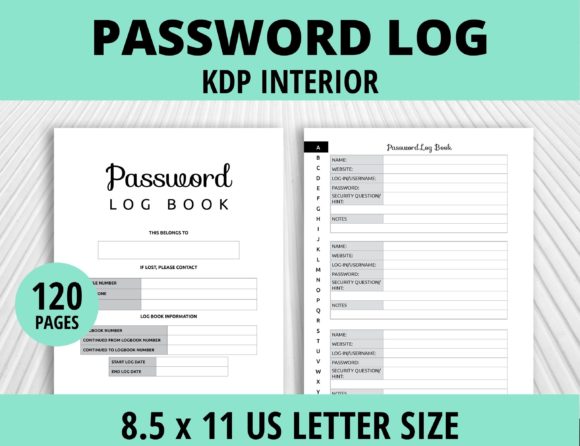
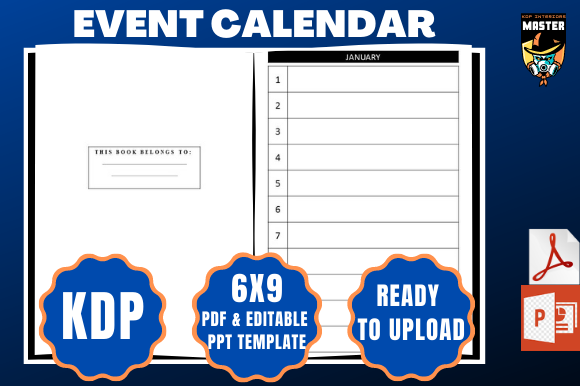
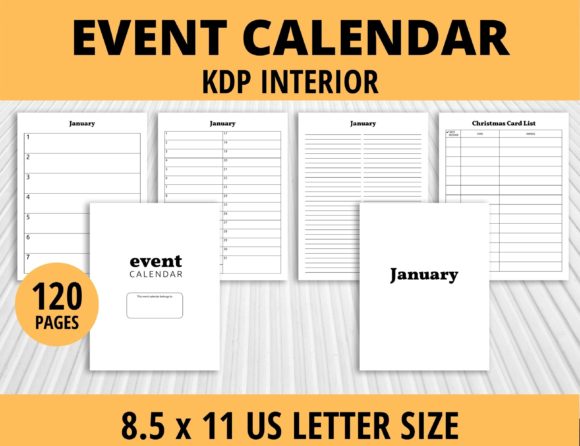
Elevate your next creative project with a professionally structured Event Calendar that serves as both a functional tool and a versatile design foundation. Whether you are developing a new KDP interior or refining a corporate branding suite, having access to high-quality, editable source files streamlines the entire production workflow. This resource provides an EPS source file, a high-resolution JPG, and a comprehensive 120-page PDF formatted at 8.5 x 11 inches, allowing designers to resize and adapt the layout to fit specific trim sizes without compromising visual integrity.
The Role of Structured Layouts in Visual Communication
In modern graphic design, an event calendar is more than just a grid of dates; it is a critical exercise in information architecture and visual hierarchy. Effective editorial design requires balancing aesthetic appeal with absolute clarity. When users interact with scheduling materials, they rely on consistent spacing, legible typography, and intuitive navigation. By utilizing a pre-designed, professional template, creators can ensure that the foundational structure supports the content rather than competing with it. This allows for greater focus on customization, brand alignment, and user experience.
For KDP publishers and print designers, the ability to resize assets is paramount. A rigid template often fails when trim sizes change, but vector-based EPS files offer infinite scalability. This flexibility ensures that lines remain crisp and text stays sharp whether the final output is a compact planner or a large-format wall display. Maintaining this level of precision is essential for establishing credibility and delivering a premium product to the end user.
Practical Applications Across Design Disciplines
Versatile creative assets extend far beyond their initial intended use. A well-crafted calendar system can be repurposed across multiple touchpoints to strengthen brand identity and maintain consistency. Consider how these structural elements can enhance various projects:
- Editorial and Print Design: Use the grid system as a baseline for magazines, annual reports, or organizational planners where date tracking is essential.
- Digital Products and KDP Interiors: Integrate the 120-page PDF structure into low-content books, ensuring professional margins and bleed settings are already established.
- Corporate Branding: Adapt the visual style for internal scheduling tools, employee handbooks, or client-facing promotional materials.
- Social Media Graphics: Extract individual monthly spreads to create cohesive, on-brand content series for Instagram or LinkedIn.
- UI and Web Design: Translate the clean typographic hierarchy into digital interface components for booking systems or event landing pages.
Optimizing Typography and Visual Hierarchy
When integrating an Event Calendar into your design workflow, pay close attention to typographic choices and color palettes. The readability of numerical data depends heavily on font weight, contrast, and white space. If customizing the editable EPS file, select typefaces that align with your existing brand identity while prioritizing legibility at smaller sizes. Avoid overly decorative fonts for the primary date grids; instead, reserve stylistic flourishes for headers or accent elements to guide the viewer’s eye without causing cognitive fatigue.
Color plays an equally vital role in functional design. Use color strategically to denote categories, holidays, or important deadlines rather than as mere decoration. A restrained color palette often yields a more sophisticated and professional presentation. When resizing files for different formats, always verify that color profiles remain consistent for print or digital output to prevent unexpected shifts in branding.
Evaluating Quality and Usability
Before incorporating any design asset into a commercial project, assess its technical quality and adaptability. High-value resources should offer layered source files that allow for non-destructive editing. Check that the 8.5 x 11 inch base size includes proper safety margins and bleed areas if intended for print production. Additionally, evaluate the visual style against current design trends and audience expectations. A timeless, clean aesthetic typically offers better longevity and broader application than overly trendy visuals that may date quickly.
Thoughtful selection of creative assets ultimately defines the success of a design project. By leveraging a robust, resizable Event Calendar system, designers and publishers can reduce production time while elevating the perceived value of their work. Investing in quality foundational elements ensures that every page, screen, or printed piece communicates with clarity, professionalism, and purposeful intent.