Family Meal Planner: KDP-Ready Interior Design
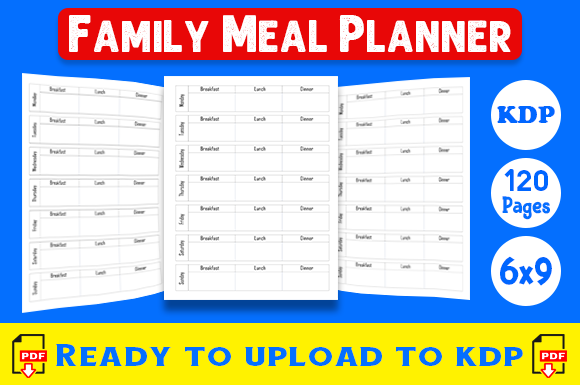
Creating a successful low-content book for Amazon KDP requires more than just a catchy title; it demands an interior that balances aesthetic appeal with genuine utility. The Family Meal Planner interior download addresses this specific need by providing a pre-formatted, high-resolution solution designed explicitly for the 6×9 trim size. For publishers and content creators targeting the home organization niche, this asset eliminates the technical friction of layout design while maintaining a professional standard. The visual characteristics of this planner lean into a clean, functional aesthetic that prioritizes readability over excessive decoration, ensuring that the end-user can focus on meal preparation rather than deciphering complex graphics.
The personality of this interior strikes a deliberate balance between warmth and structure. In the realm of editorial design for planners, there is often a tension between artistic expression and practical application. This template resolves that conflict by utilizing ample whitespace and clear typographic hierarchy. The style is modern yet approachable, avoiding the sterile look of generic corporate templates while steering clear of overly ornate elements that might alienate users seeking simplicity. This visual neutrality is a strategic choice in brand identity creation, as it allows your unique cover design and marketing messaging to take center stage without competing with the internal layout.
Strategic Applications Across Publishing and Branding
While primarily engineered for KDP upload, the versatility of this design asset extends into various creative and commercial projects. Understanding where and how to leverage this interior can maximize your return on investment and streamline your production workflow.
- Amazon KDP Publishing: This is the primary use case. The 6×9 format is the industry standard for trade paperbacks and journals. Because the files have been tested on KDP, you avoid common rejection issues related to bleed, margins, and resolution. This reliability is crucial for publishers managing large catalogs who cannot afford downtime due to formatting errors.
- Digital Product Creation: Entrepreneurs selling digital downloads on platforms like Etsy can repurpose this high-resolution PDF as a printable planner. The clean lines and legible text ensure it prints beautifully on home printers, making it an attractive commercial font and layout option for digital stationery shops.
- Content Marketing and Lead Magnets: Bloggers and influencers in the food or parenting space can use excerpts from this planner as freebies to build email lists. The professional modern typography signals authority and quality, helping to convert casual readers into loyal followers.
- Client Deliverables: Freelance designers working with nutritionists, chefs, or wellness coaches can incorporate this layout into custom branding packages. It serves as a foundational typeface structure that can be customized with client logos and color accents, reducing billable hours spent on grid setup.
The Role of Layout in User Engagement and Readability
In functional publishing, typography and layout are not merely decorative; they are the user interface of the physical product. The Family Meal Planner interior demonstrates how thoughtful design influences user behavior and perception. Readability is paramount in a meal planning context where users are often scanning information quickly in busy kitchen environments. The choice of sans serif font styles for headers and body text ensures high legibility at smaller point sizes, which is essential for maximizing writing space on a 6×9 page.
Visual hierarchy guides the user through the planning process intuitively. By distinguishing between days, meal types, and grocery lists through weight and spacing rather than heavy graphical borders, the design reduces cognitive load. This subtle approach to visual hierarchy enhances the perceived professionalism of the book. When a user feels that a product is easy to navigate, their trust in the brand increases. Consistency across pages reinforces this trust; every spread follows a predictable rhythm, which is a core principle of effective brand identity. This consistency also aids in recognition, making your series instantly identifiable to returning customers.
Furthermore, the engagement level of a planner is directly tied to its usability. A cluttered or confusing layout leads to abandonment. By providing structured prompts and dedicated sections, this interior acts as a silent coach, encouraging habit formation. From a marketing perspective, this translates to better reviews and higher customer lifetime value. Users are more likely to recommend a tool that genuinely simplifies their lives, and that simplification is rooted entirely in editorial design decisions made during the template's creation.
Evaluating Fit and Technical Considerations
Before integrating this interior into your next project, it is important to evaluate its alignment with your specific goals. While the Family Meal Planner is versatile, no single creative font or layout suits every audience. Consider your target demographic’s preferences. If your niche favors minimalist aesthetics, this clean layout is ideal. However, if your audience expects whimsical illustrations or dense journaling prompts, you may need to supplement this base with additional custom elements.
Testing is a critical step in the evaluation process. Even though the files are KDP-tested, always order a proof copy before launching. Physical rendering can differ from screen display; ink spread on cream paper versus white paper can affect contrast and feel. Check the binding gutter to ensure writing space remains accessible near the spine. This hands-on review is part of maintaining E-E-A-T (Experience, Expertise, Authoritativeness, and Trustworthiness) in your publishing business. You cannot claim expertise in planner creation without verifying the tactile user experience.
When considering font pairing for any customizations you add to the cover or marketing materials, respect the existing interior’s tone. Pairing a highly ornate script font on the cover with a starkly utilitarian interior can create cognitive dissonance. Instead, opt for complementary display font choices that echo the interior’s clarity. If you plan to modify the interior itself, ensure any new typefaces match the x-height and weight of the existing text to maintain visual cohesion.
Licensing and commercial rights are equally vital. Always verify the specific terms associated with this download. Understanding whether you can alter the files, use them for multiple ISBNs, or bundle them with other products protects your business legally. Professionalism isn't just about design quality; it's about ethical asset management. Respecting intellectual property and adhering to platform guidelines ensures the longevity of your publishing venture.
Practical Recommendations for Implementation
To get the most value from this Family Meal Planner interior, treat it as a foundation rather than a finished product. Add value through curation and customization. Consider adding a "How to Use This Planner" introduction page tailored to your specific audience's pain points. Include conversion charts, seasonal produce guides, or pantry staples checklists as supplementary content. These additions transform a generic template into a specialized resource, enhancing your brand perception and differentiating your offering in a saturated market.
For marketers and bloggers, leverage the interior’s visual appeal in social media graphics. Mockups showing the open planner with realistic handwriting and props perform significantly better than flat digital renders. Highlight specific features like the grocery list section or weekly overview in carousel posts to demonstrate utility. This visual storytelling connects the web design and social media presence directly to the physical product experience.
Finally, gather feedback iteratively. Use early reviews to identify what users love or miss in the layout. Perhaps they want more space for snacks or a notes section. Because this is a digital-first asset, future editions can be updated rapidly based on real-world data. This agile approach to product development, grounded in solid modern typography and user-centric design, is what separates sustainable publishing businesses from fleeting trends. By focusing on the intersection of aesthetic quality and functional excellence, you create products that serve users effectively while building a resilient creative enterprise.