KDP to Do List Yellow: A Practical Interior for Publishers and Planners
Creating a successful low-content book on Amazon KDP often comes down to the quality and usability of the interior. The KDP to Do List Yellow is a specialized interior template designed specifically for publishers who want to offer a vibrant, functional planning tool without spending hours designing pages from scratch. This resource provides a pre-formatted, 120-page layout that captures the energetic aesthetic of yellow while maintaining high readability and practical utility. For creators, entrepreneurs, and small business owners looking to expand their catalog or organize their own lives, this interior bridges the gap between a generic notebook and a purposeful productivity tool.
Why the Yellow Aesthetic Matters in Productivity
Color psychology plays a significant role in how users interact with stationery and digital planners. Yellow is universally associated with optimism, clarity, and mental stimulation. When applied to a to-do list format, it serves a functional purpose beyond mere decoration. In a marketplace saturated with minimalist black-and-white interiors or pastel aesthetics, a bold yellow theme stands out in thumbnail searches and appeals to users seeking energy in their daily routine.
For publishers, this means the KDP to Do List Yellow targets a specific demographic: people who want their planning tools to feel active rather than passive. It is particularly effective for niches involving creative brainstorming, student study schedules, or entrepreneurial goal tracking where motivation is key. The color acts as a visual cue for action, making the simple act of writing down tasks feel more engaging. However, because this listing is for the interior only, you retain full creative control over the cover design, allowing you to pair this energetic interior with typography or imagery that perfectly matches your brand voice.
Technical Specifications That Ensure Quality
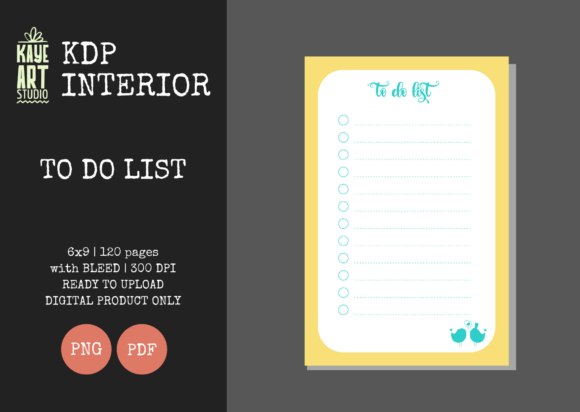
Before uploading any file to KDP, understanding the technical parameters is non-negotiable. This interior has been rigorously tested to meet Amazon’s current printing standards, eliminating the guesswork that often leads to rejected manuscripts or poor print quality.
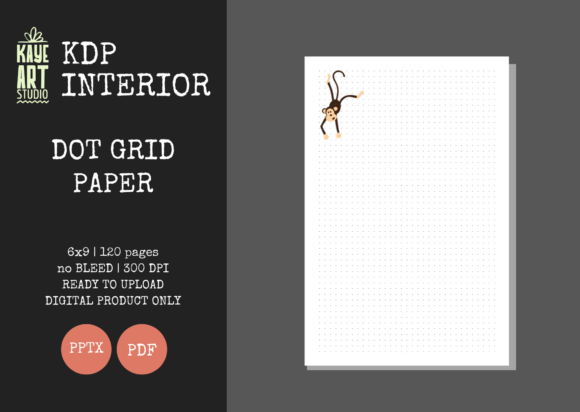
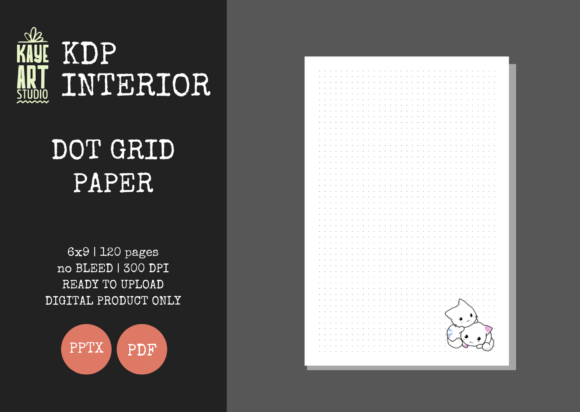
- Trim Size: 6×9 inches. This is the industry standard for trade paperbacks and journals, offering enough surface area for detailed lists while remaining portable enough for commuters and travelers.
- Bleed Settings: Configured for BLEED. This ensures that any background colors or design elements extending to the edge of the page are printed correctly without unwanted white borders, giving the final product a professional, bookstore-quality finish.
- Page Count: 120 pages. This length strikes an ideal balance; it is substantial enough to serve as a quarterly planner or a dedicated project tracker but not so thick that it becomes unwieldy or expensive to print.
- Resolution: 300 DPI. High resolution is critical for crisp lines and solid color fills. Low-resolution files result in pixelated text and muddy colors, which generates negative reviews. This file guarantees sharp output.
- File Type: Available in PNG and PDF formats to accommodate different workflow preferences and software requirements.
Real-World Applications for Diverse Users
The versatility of the KDP to Do List Yellow lies in its adaptability. While the structure is consistent, the application varies significantly depending on who is using it. Understanding these use cases helps publishers write better descriptions and helps end-users maximize the tool's value.
For Freelancers and Gig Workers
Freelancers often juggle multiple clients with conflicting deadlines. A standard lined notebook fails here because there is no visual hierarchy. This interior provides structured space to separate urgent tasks from long-term goals. A graphic designer might use one section for client deliverables and another for administrative tasks like invoicing. The yellow theme helps distinguish this book from personal journals, creating a psychological boundary between "work mode" and "personal time," which is essential for preventing burnout in home-office environments.
Educators and Students
In educational settings, organization directly correlates with performance. Teachers can utilize this interior for lesson planning, grading trackers, or classroom management checklists. The 6×9 size fits easily into a teacher’s tote bag alongside textbooks. For university students, the bright aesthetic appeals to Gen Z and Millennial demographics who often share study setups on social media. It functions effectively as a semester-at-a-glance tracker or a dedicated assignment log for complex majors like nursing or engineering where missing a single step can have cascading consequences.
Small Business Owners and Entrepreneurs
Entrepreneurs wear many hats, and context switching is the enemy of productivity. This to-do list interior allows business owners to compartmentalize operations. A bakery owner might dedicate pages to inventory ordering, staff scheduling, and marketing content creation separately. The ready-for-upload nature of this file means a business coach or consultant could quickly create branded merchandise or client welcome kits without hiring a designer. By providing a tangible tool, they add perceived value to their services while reinforcing their brand’s commitment to organization.
Content Creators and Bloggers
Digital creators live and die by content calendars. While digital tools exist, many creators prefer analog planning to reduce screen fatigue. This interior serves as a distraction-free zone for mapping out video scripts, blog post outlines, or sponsorship deliverables. The tactile experience of crossing off items on a physical page provides a dopamine hit that digital checkboxes often lack. For publishers in the creator economy niche, this interior solves a specific pain point: the need for offline planning in an online profession.
Strategic Considerations Before Publishing
While the KDP to Do List Yellow is ready for upload, success requires strategic thinking beyond the file itself. Since this listing covers the interior only, your cover design carries the weight of conversion. Your cover must signal the interior’s vibe immediately. If the interior is bold yellow, a muted beige cover might create cognitive dissonance. Conversely, a neon cover might clash if the interior yellow is softer. Always order a proof copy to verify that the yellow ink density meets your expectations, as screen colors rarely match print output perfectly.
Publishers should also consider keyword strategy. Avoid generic terms like "notebook." Instead, target long-tail keywords that describe the specific utility, such as "ADHD planner yellow," "teacher grade book 6x9," or "creative project tracker." The specificity of the interior allows for more precise targeting than a blank journal ever could. Additionally, think about bundling. This interior pairs well with other complementary interiors like habit trackers or gratitude journals, allowing you to create a cohesive series that encourages repeat purchases.
Customization and Value Addition
Even though the file is ready-made, adding unique value prevents your book from becoming a commodity. Consider adding a custom introduction page, a "This Book Belongs To" page, or specific instructional pages relevant to your niche before the main to-do list sections begin. These small additions transform a generic template into a curated product. For example, a fitness coach could add a page explaining the prioritization method used in the list, tying the physical tool to their coaching methodology.
Finally, respect the licensing and usage terms. Ensure you understand whether you can modify the files or if they must be used as-is. Testing the files on KDP’s previewer is mandatory, even if they are marketed as tested. Updates to KDP’s margin requirements happen periodically, and verifying bleed safety zones protects your account health. By treating this interior as a foundation rather than a finished product, you build a sustainable publishing asset that serves real needs in the productivity market.