Scuba Diving Log Book: Ready-to-Upload KDP Interior
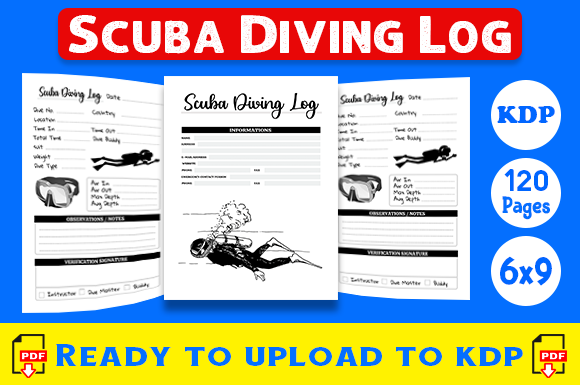
For underwater explorers, the dive doesn't end when you surface. Capturing the details of depth, time, marine life sightings, and equipment performance is essential for safety and progression. A Scuba Diving Log Book serves as both a personal diary and a technical record, bridging the gap between fleeting underwater moments and long-term skill development. For creators and publishers in the low-content book space, having a professionally formatted interior ready for Amazon KDP eliminates the most tedious part of the publishing process. This specific resource provides a high-resolution, 6x9 PDF interior that has been tested for compatibility, allowing you to focus on cover design and marketing rather than layout mechanics.
Why Divers Rely on Structured Logging
The primary audience for any logbook is the diver themselves, but their needs vary significantly based on experience level. Understanding these distinctions helps clarify why a standardized, professional interior matters more than a generic notebook.
Safety and Certification Tracking
For beginners and students working toward advanced certifications, a logbook is often a mandatory requirement. Instructors need to verify logged bottom time, maximum depths, and specific skills practiced before signing off on new qualifications. A well-designed Scuba Diving Log Book includes dedicated fields for instructor signatures, certification numbers, and buddy information. Without these structured elements, a diver might have to retrofit their records later or risk having training hours unrecognized by certifying agencies like PADI or SSI. The reliability of the layout ensures that critical safety data is captured consistently across every entry.
Equipment and Environmental Analysis
Experienced divers and technical specialists use logs differently. They are less concerned with proving dive counts and more focused on pattern recognition. Did air consumption improve with the new regulator? How did buoyancy change between saltwater and freshwater sites? High-quality interiors provide ample space for notes on gear configuration, weight systems, and environmental conditions. This analytical approach transforms a simple record into a dataset for optimizing future dives. When the interior lacks sufficient note-taking space or technical fields, it fails this advanced user group entirely.
Perspectives for Publishers and Content Creators
If you are an entrepreneur, freelancer, or small business owner looking to publish niche journals, the value proposition shifts from utility to production efficiency. Creating a functional logbook interior from scratch requires understanding diving terminology, margin specifications, and bleed settings. Mistakes here can lead to rejected uploads or poor customer reviews due to cut-off text.
Eliminating Technical Friction
This downloadable PDF addresses the technical barriers to entry. At a trim size of 6x9 inches, it fits the industry standard for portable travel journals while providing enough surface area for detailed entries. The file comes pre-formatted and tested for KDP, which mitigates the risk of formatting errors that plague many first-time publishers. For marketers and bloggers building a brand around aquatic sports, this allows for rapid deployment of complementary products without hiring a graphic designer or learning complex typesetting software.
Commercial Viability and Quality Standards
In the competitive landscape of self-publishing, quality dictates commercial success. Divers are discerning consumers; they can instantly recognize a low-effort template versus a thoughtful tool. High-resolution interiors ensure crisp lines and legible text even when printed on standard paper stock. For sellers, this translates to better perceived value and higher potential royalties. The flexibility of a digital download also means you can update or customize the cover art seasonally while maintaining a consistent, reliable interior that customers trust.
Evaluating Fit: Is This Resource Right for You?
Determining whether this specific Scuba Diving Log Book interior aligns with your goals requires honest assessment of your current position and priorities. Not every project requires a pre-made solution, and not every diver needs the same features.
- For Aspiring Publishers: If your priority is speed to market and you lack design expertise, this tested PDF offers immediate utility. However, if your goal is to create a highly unique, proprietary logging system with custom illustrations, you may need to hire a specialist instead.
- For Dive Shops and Educators: This format works well for retail sales or student kits where standardization is key. It provides a professional baseline that supports curriculum requirements. If you require branded pages with shop logos integrated directly into the lines, additional customization will be necessary post-download.
- For Hobbyist Divers: While this product targets publishers, understanding its structure helps you evaluate what to look for in a finished book. Prioritize interiors that balance writing space with data fields. If you prefer digital logging apps, a physical book may serve only as a backup or sentimental archive.
Practical Considerations for Different Use Cases
The versatility of a 6x9 logbook extends beyond individual recreation. Different stakeholders interact with this format through distinct lenses of cost, presentation, and long-term usefulness.
Educational and Training Environments
Dive instructors and educators often seek cost-effective materials for students. A standardized interior allows for bulk printing or print-on-demand models that keep costs accessible for learners. The consistency of the layout aids in teaching proper documentation habits. When every student uses the same field structure, reviewing logs becomes faster and more effective during debriefings. Here, the practical value lies in uniformity and ease of instruction rather than aesthetic flair.
Gift Market and Retail Presentation
For those targeting the gift market, presentation is paramount. The 6x9 trim size strikes a balance between portability and substance, making it feel like a substantial gift rather than a flimsy pamphlet. Marketers should consider how the interior complements various cover designs. A minimalist interior pairs well with photographic covers featuring marine life, while a more technical layout suits solid-colored, utilitarian bindings. Understanding this relationship between interior density and cover style helps in creating cohesive products that appeal to specific buyer personas, from casual snorkelers upgrading to SCUBA to veteran dive masters seeking a fresh volume.
Making an Informed Decision
Ultimately, the decision to utilize this Scuba Diving Log Book interior depends on matching the resource to your specific constraints. For creators, it represents a foundation of reliability and tested compliance that saves time. For the diving community, it represents a commitment to preserving the integrity of their underwater experiences through proper documentation.
Consider your timeline, budget, and end-user expectations. If you need a proven, high-resolution starting point that respects the functional needs of divers while satisfying the technical requirements of modern publishing platforms, this format offers a pragmatic solution. It removes the guesswork from layout design, allowing both publishers and divers to focus on what truly matters: exploring the underwater world and sharing those discoveries with others. Whether you are building a publishing portfolio or documenting your hundredth dive, having the right tools ensures the experience remains positive, productive, and enduring.