Streamlining Your Low Content Publishing with KDP Lined Journal 33
Success in the Amazon KDP low content niche often comes down to two factors: consistency and quality. While finding profitable keywords is essential, the actual production of the book interior can become a significant bottleneck for publishers managing large portfolios. This is where specialized assets like KDP Lined Journal 33 change the workflow. Rather than spending hours aligning lines or troubleshooting margin errors in design software, this pre-formatted interior allows creators to focus on cover design and marketing strategy.
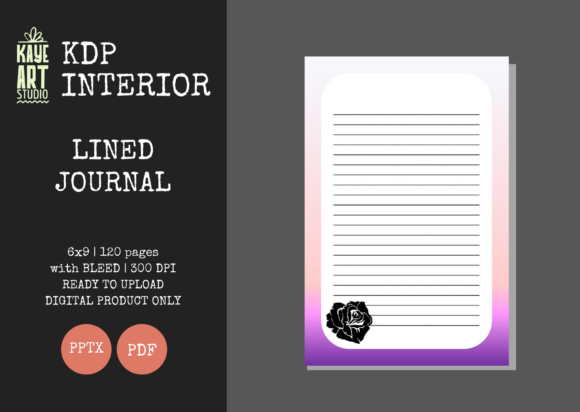
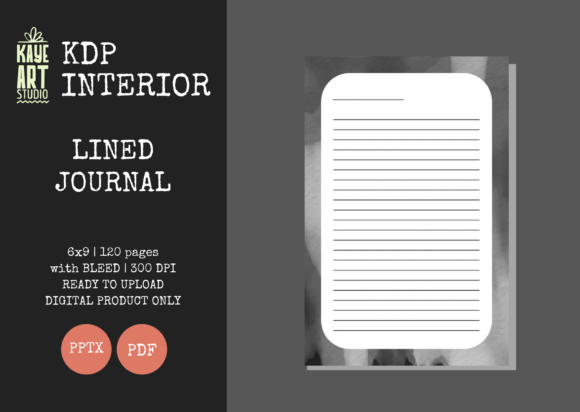
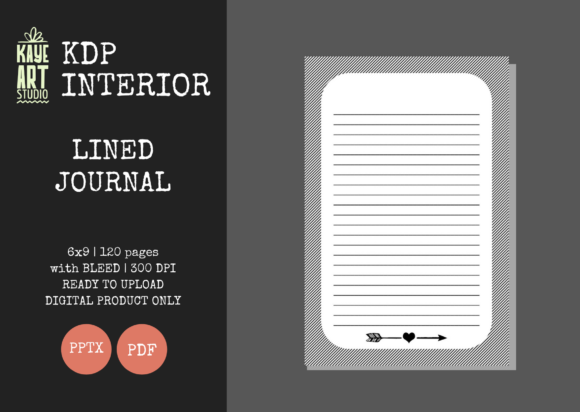
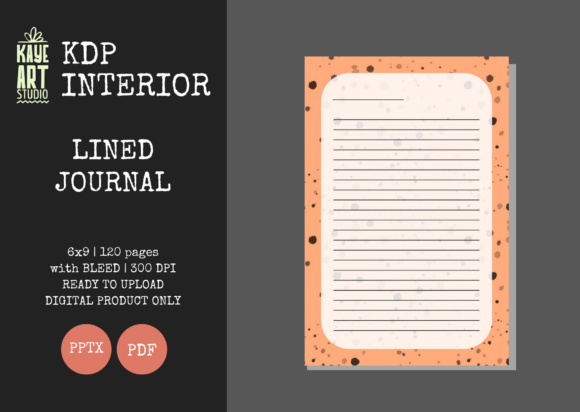
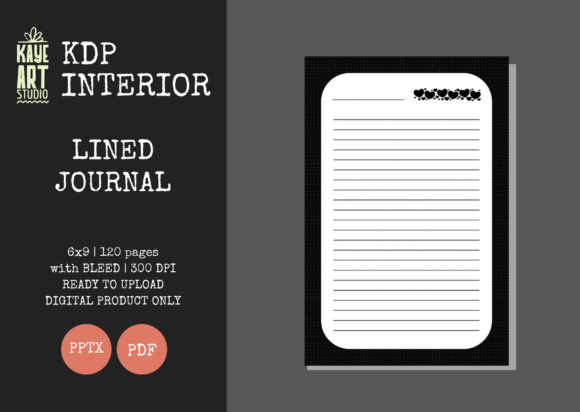
This specific lined journal template is engineered for the 6×9 inch trim size, which remains the industry standard for trade paperbacks and personal journals. It includes 120 pages of clean, professional lining at 300 DPI resolution. More importantly, it addresses the technical pain points that frequently cause KDP rejections by providing both PDF and editable PPTX files configured specifically for bleed settings. Understanding how to leverage these features can significantly reduce your time-to-market while maintaining a high-quality product catalog.
The Strategic Advantage of Pre-Formatted Bleed Settings
One of the most common frustrations for new and experienced KDP publishers alike is the "bleed" setting. When lines extend to the edge of the page, Amazon requires specific margin allowances to ensure nothing gets trimmed off during printing. Miscalculating this by even a fraction of an inch results in rejection emails and wasted time resizing documents.
KDP Lined Journal 33 eliminates this guesswork entirely. The file is pre-configured with correct bleed margins for the 6×9 trim size. When you upload this interior, you must select the BLEED option in the KDP dashboard. Because the template has been tested on KDP’s previewer, you can proceed with confidence knowing the dimensions align with Amazon’s current printing specifications. This reliability is crucial when scaling a business; you cannot afford to debug formatting issues for every single title you publish.
Why 300 DPI Matters for Print Quality
In digital design, screen resolution often masks poor quality. However, print is unforgiving. A lined journal with low-resolution lines will appear pixelated, gray, or jagged when printed on physical paper. Customers notice this immediately, and it is a primary driver of negative reviews in the low content category.
This template maintains a strict 300 DPI (dots per inch) standard. This ensures that every line prints crisp, dark, and smooth. High resolution also contributes to better ink coverage without bleeding through the page, which is particularly important for users who write with gel pens or markers. By prioritizing print fidelity, you protect your brand reputation and increase the likelihood of repeat customers who trust the quality of your interiors.
Flexibility Through Editable PowerPoint Files
While a ready-to-upload PDF is convenient, the inclusion of an editable PowerPoint (PPTX) file transforms KDP Lined Journal 33 from a static asset into a versatile foundation. Not every journal needs to be identical. Some niches require slight modifications to stand out in search results or meet specific user needs.
- Add Niche-Specific Headers: Use the PPTX file to add subtle headers like "Daily Gratitude," "Meeting Notes," or "Prayer Journal" to differentiate your listing from generic competitors.
- Insert Ownership Pages: Easily add a "This Book Belongs To" page at the front without disrupting the overall page count or alignment.
- Modify Line Spacing: If you want to test a variation with wider ruling for younger writers or accessibility-focused markets, the editable source file makes this adjustment possible in minutes.
- Brand Integration: Add a small logo or website URL to the bottom corner of pages to build brand recognition across your entire catalog.
This flexibility allows you to create multiple unique products from a single master template, maximizing your return on investment while keeping production costs low.
Integrating Into Modern Publishing Workflows
The modern KDP business model favors speed and volume without sacrificing quality. Manual creation simply does not scale. Using standardized interiors like KDP Interiors Lined Journal assets fits seamlessly into batch-processing workflows. For example, a publisher might spend one day researching ten profitable niches and designing ten covers. With a pre-made, tested interior, those ten books can be uploaded and published within the same session.
This approach also reduces cognitive load. Instead of worrying about whether your lines are straight or your margins are safe, you can direct your creative energy toward what actually sells the book: the cover art and the keyword strategy. The interior becomes a reliable constant in a variable equation, allowing for faster iteration and testing of new market segments.
Critical Considerations Before Uploading
Even with a premium template, success requires attention to detail. There are specific factors to consider when incorporating KDP Lined Journal 33 into your publishing plan to avoid common pitfalls.
- Cover Compatibility: Remember that this listing provides the interior only. You must create a separate cover file that matches the 6×9 trim size and accounts for the 120-page spine width. Using a cover calculator is mandatory to ensure the spine text aligns correctly with this specific page count.
- Selecting the Correct Bleed Option: As noted in the product specifications, you must choose "BLEED" during the upload process. Selecting "No Bleed" will trigger an error because the content extends beyond the safe zone. This is a feature, not a bug, designed to give your journal a professional, edge-to-edge appearance.
- Paper Type Selection: Standard lined journals typically perform best on white paper. Cream paper is generally reserved for novels or dense text. Verify your paper choice in the KDP dashboard to ensure the contrast between the black lines and white background meets customer expectations.
- File Verification: Although the files have been tested on KDP, always use the Launch Previewer tool before approving publication. This final check confirms that your specific cover and interior combination renders correctly and catches any last-minute anomalies.
Meeting Customer Expectations in the Lined Journal Niche
Customers purchasing lined journals have specific functional requirements. They are looking for usability over novelty. The 120-page count included in KDP Lined Journal 33 hits a sweet spot for portability and utility. It is thick enough to feel substantial and provide months of use, yet thin enough to fit easily in a backpack, purse, or desk drawer.
Furthermore, the clean aesthetic of this interior appeals to a broad demographic. Overly decorative interiors can sometimes alienate users who want a distraction-free writing experience. By providing a minimalist, high-quality foundation, you allow the customer to project their own purpose onto the book. Whether they are using it for academic note-taking, personal journaling, or professional planning, the unobtrusive design supports their activity rather than competing with it.
Maximizing ROI with Tested Assets
In the competitive landscape of Amazon KDP, efficiency is just as valuable as creativity. Every hour spent fixing formatting errors is an hour not spent on market research or advertising. KDP Lined Journal 33 represents a strategic investment in operational efficiency. By utilizing a tested, high-resolution, and editable template, publishers can maintain a consistent release schedule while ensuring every product meets professional standards.
The combination of ready-to-use PDF files and customizable PPTX sources offers the best of both worlds: speed for rapid deployment and flexibility for niche adaptation. When paired with compelling cover designs and thorough keyword research, this interior template serves as a robust engine for growing a sustainable low content publishing business. Ultimately, the goal is to provide value to the end-user through a flawless writing experience, and starting with a professionally engineered interior is the most reliable way to achieve that outcome.