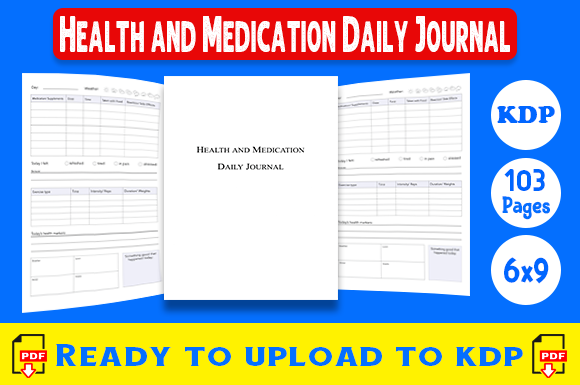
Health and Medication Daily Journal: A Practical KDP Guide
Managing personal health or creating resources for others often requires more than just memory; it demands consistent, organized documentation. A Health and Medication Daily Journal serves as a dedicated space to track prescriptions, symptoms, dosages, and overall wellness patterns. For those looking to publish low-content books on Amazon KDP, this specific niche offers a unique intersection of utility and design. Unlike generic notebooks, these journals provide structured interiors that solve immediate problems for users managing chronic conditions, post-operative care, or complex supplement regimens. Understanding the nuances of this product type helps both end-users find the right tool and creators develop interiors that genuinely serve their audience.
Defining the Purpose and Utility
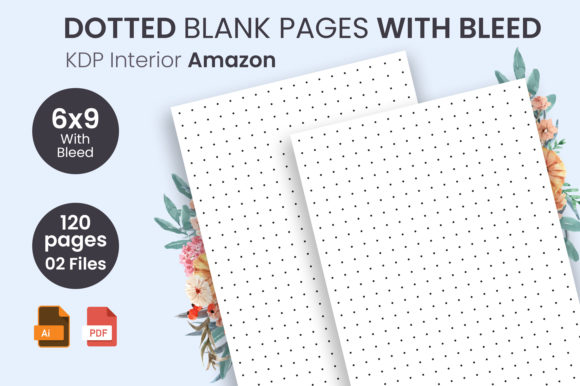
At its core, a Health and Medication Daily Journal is a functional logbook designed to bridge the gap between patient experience and medical advice. It transforms scattered notes into actionable data. When discussing the digital interior files available for KDP upload, we are referring to high-resolution PDFs formatted specifically for a 6x9 trim size. This dimension is critical because it balances portability with sufficient writing space. A 6x9 journal fits easily into a purse, glove compartment, or bedside drawer, making it accessible exactly when medication needs to be logged.
The value of this journal extends beyond simple record-keeping. For individuals navigating new diagnoses, the act of writing down daily metrics can reduce anxiety by providing a sense of control. For caregivers, it acts as a communication device during doctor visits, replacing vague recollections with precise timelines. The interior layout typically includes sections for date and time, medication name, dosage, purpose, side effects, and general notes. Some variations may also include water intake trackers, mood logs, or symptom severity scales, depending on the specific focus of the interior design.
Perspectives from Content Creators and Publishers
For entrepreneurs, marketers, and self-publishers, the Health and Medication Daily Journal represents a product where accuracy matters more than aesthetic flair. While beautiful covers attract clicks, the interior determines reviews and long-term sales. Creators evaluating downloadable PDF interiors must prioritize functionality over decoration. Excessive graphics can consume ink and distract from the writing area, which is counterproductive for a utility-based book.
When selecting or designing an interior for KDP, technical reliability is paramount. Files described as "tested on KDP" indicate that margins, bleed settings, and resolution have been verified against Amazon’s strict printing guidelines. A common pitfall in this niche is using gray-scale elements that print too dark or lines that are too faint to write over. High-resolution interiors ensure crisp text and clean lines, which directly impacts perceived quality. Publishers should also consider the commercial viability of different layouts. A journal targeted at elderly users might require larger fonts and simpler tables, whereas one aimed at biohackers or fitness enthusiasts might benefit from dense data grids and supplemental tracking fields.
Needs of Healthcare Professionals and Educators
Nurses, therapists, and health educators often recommend tracking tools to patients but struggle to find standardized options. For these professionals, a Health and Medication Daily Journal is a resource to prescribe alongside treatment plans. Their priority is clarity and compliance. They need journals that encourage consistency without overwhelming the user. When evaluating available KDP interiors, educators look for logical flow and inclusive language.
Professionals may also use these journals themselves to manage shift work fatigue or personal wellness. In this context, speed and ease of use become the primary decision factors. A layout that requires five minutes to fill out will likely be abandoned after a week. Conversely, a streamlined design that captures essential data in thirty seconds supports long-term adherence. Educators creating resources for students or clients might seek interiors that allow for customization or that cover broad categories applicable to various conditions, rather than hyper-specific disease trackers that limit the book's usefulness.
Evaluating Quality and Technical Specifications
Whether you are a consumer buying a finished book or a creator uploading a file, specific technical attributes define success in this category. The 6x9 trim size remains the industry standard for personal journals because it optimizes shelf presence and manufacturing costs. However, the internal architecture varies significantly. High-resolution interiors are non-negotiable; pixelated lines or blurry text signal low quality immediately. For KDP uploads, ensuring the PDF is flattened and properly sized prevents rejection during the review process.
- Margin Safety: Adequate gutter margins prevent content from disappearing into the binding, a crucial consideration for 6x9 books with higher page counts.
- Writing Space: Lines should be spaced appropriately for handwriting, typically 7mm to 8mm, rather than standard notebook ruling.
- Ink Efficiency: Designs should avoid heavy black backgrounds or saturated colors to keep printing costs low and pages clean.
- Logical Hierarchy: Headers and prompts must be intuitive, guiding the user through the logging process without requiring instructions.
Considerations for Beginners and Hobbyists
Newcomers to health tracking or self-publishing often approach this topic with enthusiasm but limited technical knowledge. For beginners using the journal personally, the barrier to entry should be low. Complex medical terminology or rigid structures can feel intimidating. A good starter journal uses plain language and flexible prompts. It allows for "messy" tracking days where not every field is completed, reducing the guilt associated with missed entries.
For hobbyist publishers entering the KDP space, pre-made interiors offer a safe starting point. Downloadable PDFs that are ready for upload eliminate the steep learning curve of book formatting software. However, beginners must still evaluate the content critically. Just because a file is formatted correctly does not mean it is useful. Testing the interior by printing a sample page and writing in it reveals practical flaws that digital previews hide. Does the pen smudge? Is there enough room to write the full name of a medication? These tactile details separate a viable product from a generic template.
Balancing Flexibility with Structure
Different users have conflicting needs regarding structure. Patients with stable, long-term medication regimens often prefer repetitive, identical daily spreads that build muscle memory. In contrast, those managing acute illnesses or changing treatments may need flexible layouts with ample blank space for variable notes. Creators face the challenge of satisfying both groups or choosing a specific lane.
A hybrid approach often works best for broad-market KDP journals. This might involve a structured table for core medication data combined with open-ended sections for daily reflections or symptom narratives. Flexibility also extends to the physical format. Since the interior is a digital download for KDP, creators can easily produce multiple versions—such as a large-print edition or a minimalist version—from the same base concept. This adaptability increases the long-term usefulness of the asset and allows for testing different market segments without significant additional investment.
Making the Right Choice for Your Goals
Determining whether a specific Health and Medication Daily Journal aligns with your objectives requires honest assessment. If you are a consumer, ask yourself what friction points currently exist in your health routine. Do you forget doses? Do you struggle to recall side effect patterns during appointments? Choose a journal layout that directly addresses those gaps rather than one that simply looks appealing. Prioritize readability and durability over decorative elements.
If you are a creator or business owner, evaluate the interior based on market fit and production quality. Does the design meet current KDP standards? Is the content distinct enough to stand out in search results while remaining functional enough to earn positive reviews? Consider the longevity of the design; health tracking is an evergreen need, but trends in layout and typography evolve. Investing in high-quality, tested files reduces customer service issues and returns, protecting your brand reputation. Ultimately, whether for personal health management or commercial publishing, the most effective journal is one that respects the user's time and cognitive load, transforming a daily chore into a supportive habit.