KDP Dot Grid Paper 77: Streamlining Your Low-Content Publishing Workflow
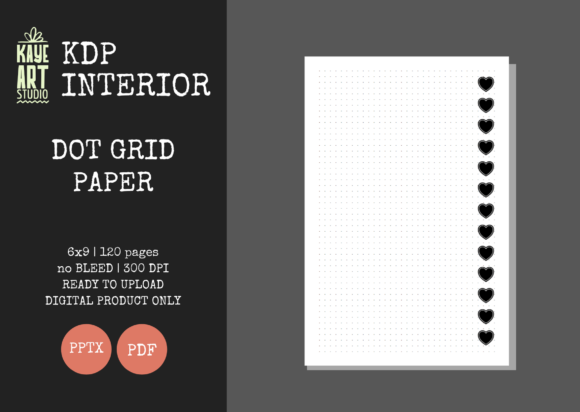
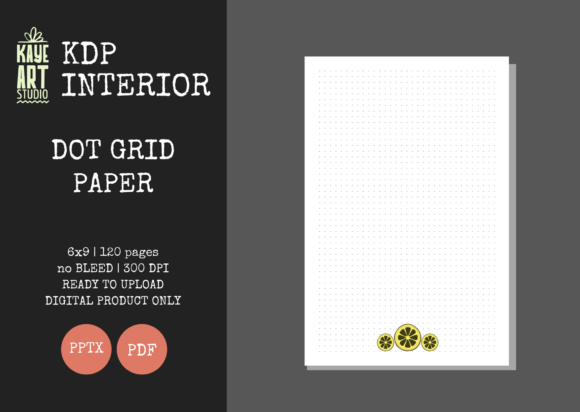
For independent publishers and entrepreneurs building a portfolio on Amazon KDP, finding the right balance between product quality and production speed is essential. KDP Dot Grid Paper 77 serves as a specialized interior solution designed specifically for the no-content and low-content book market. This resource provides a pre-formatted, professional-grade foundation that eliminates the technical guesswork often associated with creating dot grid journals from scratch. By utilizing this specific template, creators can focus their energy on niche research, cover design, and marketing strategies rather than spending hours adjusting margins or troubleshooting print-ready specifications.
Overcoming Common Interior Design Challenges
Creating a successful low-content book involves more than simply placing dots on a page. Many new publishers face significant hurdles when designing interiors manually. Common issues include inconsistent spacing, margins that are too narrow for binding, or resolution settings that result in blurry prints. These technical errors can lead to rejected uploads or poor customer reviews, which ultimately hurt sales velocity.
KDP Dot Grid Paper 77 addresses these pain points by providing a verified, tested framework. The primary challenge in this business model is time management; every hour spent formatting is an hour not spent scaling the business. This template solves the efficiency problem by offering a "done-for-you" interior that adheres strictly to KDP guidelines. Furthermore, the inclusion of an editable PowerPoint file transforms what could be a static asset into a flexible tool. Publishers who lack advanced graphic design skills can still customize the interior without needing expensive software like Adobe InDesign, lowering the barrier to entry for creating high-quality journals.
Technical Specifications and Quality Assurance
Understanding the technical parameters of KDP Dot Grid Paper 77 is crucial for ensuring a seamless upload process and a superior end product. This interior is engineered with specific constraints that align with industry standards for trade paperback journals.
- Trim Size: The 6×9 inch format is the industry standard for journals and notebooks. It offers a portable size that fits comfortably in bags and backpacks while providing ample writing space, making it the most versatile choice for general consumers.
- Bleed Settings: Configured for NO BLEED. This is a critical distinction for dot grid papers where the pattern should remain within the safe zone. No-bleed interiors prevent dots from being cut off during the trimming process, ensuring a clean, professional look that customers expect.
- Page Count: At 120 pages, this journal hits the sweet spot for perceived value and printing costs. It is substantial enough to feel like a premium product but thin enough to maintain competitive pricing and healthy royalty margins.
- Resolution: All files are rendered at 300 DPI. High resolution is non-negotiable for print products; anything lower results in pixelated dots that degrade the user experience. This specification guarantees crisp, clear grids suitable for both handwriting and technical drawing.
- File Formats: The package includes both PDF and PPTX files. The PDF is ready for immediate upload, while the PPTX allows for modifications such as adding title pages, quotes, or branding elements.
Practical Applications and Niche Adaptability
The versatility of KDP Dot Grid Paper 77 lies in its neutrality. Unlike lined paper, which implies linear writing, dot grids support a wide array of use cases. This flexibility allows publishers to target diverse micro-niches without altering the core interior asset.
For the bullet journaling community, this paper provides the necessary structure for rapid logging, habit tracking, and future planning without restricting creativity. For artists and designers, the subtle grid aids in sketching, perspective drawing, and layout planning without the visual clutter of heavy lines. Students and professionals often prefer dot grids for note-taking because they allow for diagrams, mind maps, and text to coexist naturally on the same page.
Because the interior is generic yet functional, you can pair KDP Dot Grid Paper 77 with vastly different covers to create distinct products. A minimalist geometric cover targets the productivity niche, while a floral botanical cover appeals to the wellness and gratitude journaling demographic. The interior remains constant, but the product positioning shifts entirely based on your cover design and keyword strategy. This reusability maximizes the return on investment for this single asset.
Customization Strategies Using Editable Files
While the ready-to-upload PDF is convenient, the true power of this resource emerges when utilizing the editable PowerPoint file. Different users will approach customization based on their brand identity and target audience needs.
Branding and Ownership: Experienced publishers often add a "This Journal Belongs To" page or a branded introduction page. This small addition increases perceived value and helps differentiate your book from generic competitors. Using the PPTX file, you can insert these elements at the beginning of the document while maintaining perfect margin alignment.
Niche-Specific Additions: If you are targeting a specific sub-niche, such as "Knitting Pattern Design" or "Guitar Tablature Notes," you might want to add instructional pages or reference charts at the front or back of the journal. The editable format allows you to insert these value-add pages seamlessly before exporting the final PDF.
Testing Variations: Some publishers use the editable file to create A/B test versions. You might create one version with light gray dots and another with slightly darker dots to see which performs better in your specific niche. Having source files enables this level of experimentation without rebuilding the grid from zero.
Implementation Best Practices for Publishers
To maximize success with KDP Dot Grid Paper 77, it is important to remember that this listing is for the interior only. Your cover design must be created separately and matched precisely to the 6×9 inch trim size and 120-page spine width. Always download the appropriate KDP cover template based on the exact page count and paper type (white or cream) to ensure your cover aligns perfectly with this interior.
Before publishing, always order a physical proof copy. While digital previews are helpful, seeing the dot opacity and paper texture in person is the only way to verify quality. Ensure the dots are visible enough to guide writing but faint enough not to distract from the content. Additionally, check the inner margin (gutter) to confirm that the grid does not fall too close to the binding, which can make the journal difficult to use.
Finally, integrate this interior into a broader content strategy. Use the fact that the journal uses "premium 300 DPI dot grid paper" as a selling point in your book description. Customers appreciate knowing that the publisher has paid attention to technical details. By combining the reliability of KDP Dot Grid Paper 77 with thoughtful cover design and accurate metadata, you build a sustainable foundation for your low-content publishing business that prioritizes user satisfaction and long-term viability.