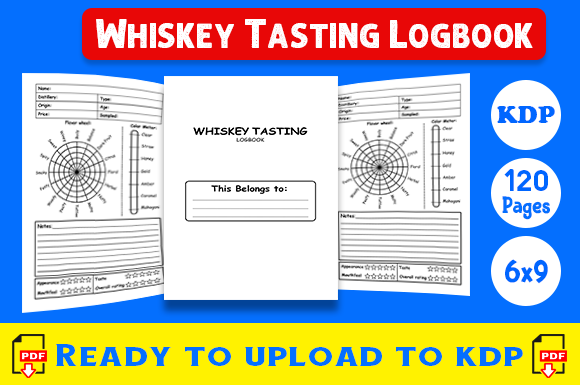
Evaluating the Whiskey Tasting Logbook for KDP Publishing
Selecting the right interior template is a critical step for self-publishers and content creators in the low-content book niche. The Whiskey Tasting Logbook serves as a specialized tool designed specifically for Amazon KDP creators who wish to publish niche journals for spirit enthusiasts. This product provides a pre-formatted, high-resolution PDF interior that allows publishers to bypass the design phase and move directly to listing creation. Understanding the specific utility, limitations, and market fit of this 6x9 notebook interior is essential for determining whether it aligns with your current publishing strategy or portfolio goals.
Defining the Product Scope and Utility
The Whiskey Tasting Logbook is not a physical book but a digital asset intended for print-on-demand production. It consists of a single PDF file formatted to the industry-standard 6x9 trim size. This dimension is widely considered the optimal balance for portable logbooks, offering enough surface area for detailed tasting notes while remaining compact enough for travel or bar storage. The interior is structured to guide users through the sensory evaluation of whiskey, typically including fields for distillery information, age, cask type, nose, palate, finish, and overall rating.
For the publisher, the primary value proposition is technical compliance. The files have been tested on KDP, which mitigates the risk of rejection due to margin errors, bleed issues, or resolution problems. High-resolution interiors are non-negotiable in this category; pixelated text or blurry lines result in negative customer reviews and returns. By utilizing a pre-tested template, publishers secure a baseline of quality assurance that protects their brand reputation and reduces the time spent troubleshooting formatting specifications.
Strategic Reasons for Selection
Publishers generally evaluate this type of asset based on three core factors: speed to market, niche specificity, and technical reliability. The whiskey appreciation community is a distinct subset of the broader journal market. Unlike generic lined notebooks, a specialized logbook solves a specific problem for the end-user: organizing complex sensory data. When you choose this specific interior, you are targeting an audience that values structure over blank pages.
Furthermore, the "download instantly" nature of this product facilitates rapid iteration. In the KDP ecosystem, testing multiple niches is often more effective than perfecting a single design. Having immediate access to a ready-to-upload file allows publishers to capitalize on seasonal trends, such as holiday gifting seasons or Father’s Day, without waiting for custom design work. The standardized 6x9 format also ensures compatibility with a wide range of cover design templates and marketing mockups, streamlining the entire production workflow.
Benefits and Practical Advantages
The most significant benefit is the elimination of the learning curve associated with typesetting and interior layout. Designing a functional logbook requires understanding gutter margins, safe zones, and paper opacity considerations. This product transfers that technical burden from the publisher to the creator of the template. Additionally, the structured nature of the content adds perceived value. Customers are often willing to pay a premium for a guided experience compared to a blank notebook, potentially allowing for better royalty margins.
- Technical Compliance: Pre-verified margins and resolution reduce upload friction.
- Niche Relevance: Tailored prompts appeal specifically to whiskey collectors and tasters.
- Time Efficiency: Eliminates days or weeks of interior design and testing.
- Standardized Sizing: 6x9 trim size matches industry expectations for portable journals.
Tradeoffs and Critical Considerations
While the convenience is substantial, relying on pre-made interiors introduces specific tradeoffs that must be weighed objectively. The primary concern is market saturation. Because these files are available for instant download, multiple publishers may be listing identical or nearly identical interiors. This can lead to price competition and difficulty in distinguishing your product in search results. Publishers must compensate for this lack of interior exclusivity through superior cover design, keyword optimization, and branding.
Another consideration is customization limitation. You cannot alter the internal prompts or layout without violating the typical licensing terms of such digital assets or requiring advanced editing software that defeats the purpose of buying a ready-made file. If your market research suggests that whiskey enthusiasts in your target demographic prefer a different rating scale or specific fields for "cask strength" or "non-chill filtered" indicators that are missing from this template, this product may not serve your needs. You are accepting the designer’s interpretation of what a tasting log should be.
Situational Fit Analysis
Determining whether this Whiskey Tasting Logbook is the right asset requires an honest assessment of your current position. This product is a strong fit for publishers who are building a portfolio of hobbyist journals and need to diversify quickly. It is also ideal for those new to KDP who want to learn the platform's technical requirements using a proven, error-free foundation. If your goal is to test the viability of the spirits niche before investing in custom illustrations or bespoke layouts, this low-risk entry point is appropriate.
Conversely, alternatives should be considered if you are aiming to build a premium, long-term brand identity centered exclusively on whiskey education. In that scenario, a proprietary interior designed specifically for your brand voice will yield better long-term defensibility. Similarly, if you intend to sell digital downloads directly via Etsy or your own website alongside KDP, you must verify that the license permits multi-platform distribution. Some KDP-ready files are licensed strictly for Amazon print-on-demand use, which would restrict your revenue streams elsewhere.
Decision-Making Framework for Publishers
Before purchasing or uploading, evaluate the alignment between this asset and your business objectives using the following practical insights. First, conduct a reverse image search or keyword search on Amazon for "whiskey tasting journal." Analyze the top ten results. Do they use this exact interior? If so, examine their covers and pricing. Can you create a cover that significantly outperforms existing listings? If the market is saturated with identical interiors and mediocre covers, there may still be an opportunity. If the market is saturated with identical interiors and excellent covers, the barrier to entry may be too high for this specific asset.
Second, review the sample pages provided by the seller critically. Check the line weight and font size. For a 6x9 book, text that is too small becomes unreadable in low-light bar environments, and lines that are too dark can make writing difficult. Ensure the aesthetic matches the expectations of the whiskey demographic, which often leans toward classic, masculine, or minimalist design cues rather than bright or whimsical styles.
Finally, consider the longevity of the asset. Trends in low-content publishing shift rapidly. A generic tasting log has evergreen potential, whereas highly stylized or trendy layouts may have a shorter shelf life. This Whiskey Tasting Logbook, by virtue of its functional and traditional structure, likely possesses evergreen utility. However, success ultimately depends less on the interior file itself and more on your ability to package, position, and market the finished book to the right audience at the right time. Use this tool as a component of a broader strategy rather than a standalone solution for sales.