Evaluating KDP Sketchbook Gray for Professional Publishing
For self-publishers and low-content book creators, the efficiency of the production workflow often dictates profitability. Sourcing reliable, pre-formatted interiors eliminates the most time-consuming aspect of book creation: layout design. The KDP Sketchbook Gray interior represents a specific utility asset designed to streamline this process. Unlike standard white paper sketchbooks, this gray-toned variant serves niche markets that require reduced glare or specific aesthetic qualities for artistic reproduction. Understanding the technical specifications and practical applications of this 6x9 inch, 120-page resource is essential for publishers aiming to maintain high quality standards while scaling their catalog.
Technical Specifications and Print Readiness
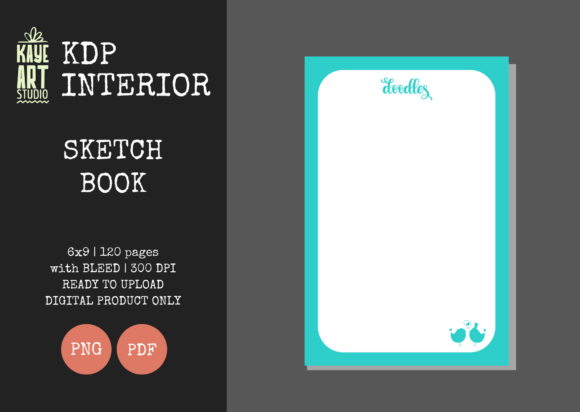
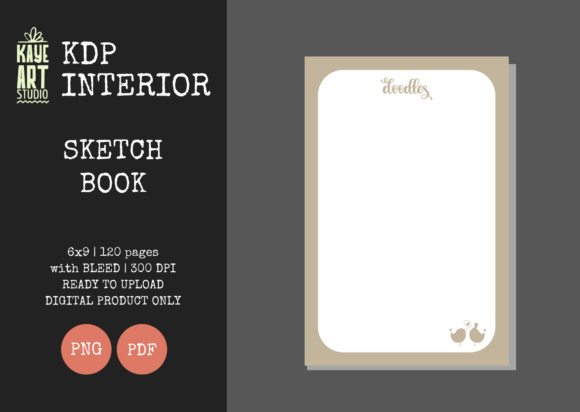
The primary value proposition of any KDP interior file is its adherence to Amazon’s stringent printing guidelines. This KDP Sketchbook Gray asset is engineered with precision to prevent common rejection errors. The trim size is set to the industry-standard 6x9 inches, a versatile format that balances portability with adequate drawing space. Crucially, the file includes proper bleed settings. Bleed is non-negotiable for sketchbooks where users may draw to the edge of the page; without it, printers leave an unprinted white border that looks unprofessional. This interior accounts for that necessary extension beyond the trim line.
Resolution is another critical factor. The files are provided at 300 DPI (dots per inch), which is the minimum threshold for crisp print reproduction. Lower resolution files often result in pixelation or blurriness, particularly problematic when printing subtle gray tones. The availability of both PNG and PDF formats offers flexibility in the upload process. While PDF is generally preferred for multi-page documents due to smaller file sizes and consistent rendering, having PNG backups allows for individual page inspection or modification in image editing software if needed. The fact that these files have been tested on KDP provides a layer of assurance, reducing the risk of account warnings or publishing delays caused by formatting errors.
Understanding the Gray Tone Advantage
Publishers often question the necessity of gray interiors when white paper is the default. However, gray paper serves distinct functional purposes that drive sales in specific sub-niches. For artists working with charcoal, graphite, or white gel pens, a mid-tone background establishes immediate value range. It allows for both highlighting and shading from the first mark, whereas white paper only allows for darkening. From a user experience perspective, gray pages also reduce eye strain during extended sketching sessions under bright lighting.
When evaluating this KDP Sketchbook Gray interior, consider the tonal consistency. Digital gray values can sometimes print darker or lighter than anticipated depending on the specific printer calibration used by KDP facilities. A professionally prepared gray interior should use a neutral tone that reproduces consistently across different print runs. This specific asset is designed to mitigate banding or color shifts, ensuring that the final physical product matches the digital proof. Publishers should always order a physical proof copy before launching to verify that the gray density meets their quality expectations and aligns with the cover art they intend to create.
Strategic Applications and Audience Fit
This interior is not a universal solution for every low-content book. Its utility is highly dependent on the target audience and the specific problem the book solves. Professionals and educators in creative fields often seek specialized tools rather than generic notebooks. Marketers and entrepreneurs creating branded merchandise or lead magnets may find the gray aesthetic aligns better with modern, minimalist design trends compared to stark white paper.
- Fashion Illustrators: Gray backgrounds are standard in fashion croquis books as they mimic professional marker paper.
- Urban Sketchers: Travel-friendly 6x9 formats with toned paper are popular for capturing architecture and landscapes with depth.
- Mixed Media Artists: The visual texture of gray paper complements collage and ink work without overwhelming delicate details.
- Educational Resources: Teachers creating specialized art worksheets or mindfulness journals often prefer toned paper to differentiate from standard academic notebooks.
For freelancers and small business owners, this interior facilitates rapid product diversification. Instead of spending weeks designing a custom gray layout, you can allocate that time to keyword research, cover design, and marketing. The 120-page count is strategically chosen; it provides substantial content value without pushing the book into a higher printing cost tier that might erode royalties. This balance between perceived value and production cost is vital for maintaining healthy margins in competitive categories.
Workflow Integration and Customization
While the listing specifies "interior only," this constraint actually enhances workflow efficiency for serious publishers. Separating interior and cover creation allows for modular asset management. You can pair this single KDP Sketchbook Gray interior with dozens of unique covers to test different niches, seasonal trends, or aesthetic styles without reformatting the book block each time. This approach supports A/B testing strategies where multiple cover designs are published simultaneously to gauge market response.
The ready-for-upload nature of these files means they integrate seamlessly into publishing schedules. However, professionals should treat this as a foundation rather than a finished product. Consider adding front matter such as a title page, copyright notice, or a "this book belongs to" section. While the base interior is compliant, adding personalized elements distinguishes your publication from others using identical stock assets. Since the files are high-resolution PNGs and PDFs, they remain editable in most graphic design software, allowing for the insertion of branding or instructional content relevant to your specific audience.
Quality Assessment and Long-Term Value
In the low-content publishing space, quality differentiation is the primary defense against market saturation. Using tested, 300 DPI files signals a commitment to professional standards. Customers who receive poorly formatted books with blurry lines or incorrect margins are likely to leave negative reviews that permanently damage a listing's visibility. By utilizing a verified KDP Sketchbook Gray interior, publishers mitigate these technical risks.
Long-term value extends beyond a single upload. As KDP updates its printing specifications or introduces new paper options, having access to correctly formatted source files allows for easier updates. Furthermore, building a library of reliable interiors creates operational leverage. When you know a specific gray interior prints well and satisfies customers, you can confidently expand into related products like coloring books, journals, or portfolios using the same technical parameters. Consistency in product quality builds brand trust, encouraging repeat purchases from artists and creators who rely on dependable tools.
Practical Limitations and Considerations
Despite its advantages, this resource has limitations that must be acknowledged. The 6x9 trim size, while versatile, is too small for certain types of technical drawing or large-scale illustration. Publishers targeting those niches should seek larger formats. Additionally, gray paper inherently reduces contrast for pencil work; users employing hard graphite pencils may find their marks difficult to see. This makes the interior less suitable for beginner drawing instruction books where high contrast is pedagogically important.
Another consideration is the dependency on external cover creation. Publishers without design skills or access to cover templates may face a bottleneck. The interior is only half of the product; a mismatched or low-quality cover will negate the benefits of a premium interior. Budgeting time or resources for professional cover design is a prerequisite for maximizing the potential of this asset. Finally, while the files are tested, KDP’s printing tolerances can vary. Publishers should monitor customer feedback regarding print quality and be prepared to adjust file settings or switch suppliers if systemic issues arise.
Ultimately, the KDP Sketchbook Gray interior serves as a robust technical foundation for publishers targeting artistic and creative niches. Its compliance with bleed and resolution standards addresses the most common failure points in self-publishing. By understanding its specific applications, integrating it into a modular workflow, and acknowledging its limitations, professionals can leverage this asset to build a sustainable, quality-focused publishing portfolio. The decision to use this resource should be driven by audience needs and product strategy rather than convenience alone, ensuring that every publication delivers genuine value to the end user.